Patterns in Deposit Velocity and Their Impact on Reward Tier Advancements in Digital Gaming Platforms
Sofia Schwarz · Oct 17, 2026

Patterns in Deposit Velocity and Their Impact on Reward Tier Advancements in Digital Gaming Platforms
Deposit velocity refers to the frequency and speed at which users add funds to their accounts within mobile and online gaming platforms, and researchers track this metric alongside reward tier unlocks where activity thresholds determine access to higher benefit levels such as enhanced bonuses or exclusive features. Data from industry reports indicate that platforms log these transactions in real time, creating datasets that reveal connections between rapid funding patterns and accelerated tier movements across ecosystems that include slot games, live dealer sessions, and multiplayer environments.
Core Metrics Behind Deposit Velocity
Analysts measure deposit velocity through variables like average time between transactions, total volume within set windows, and consistency across payment methods, while reward tiers operate on cumulative spend, engagement streaks, and sometimes velocity multipliers that reward quicker actions. Studies from academic sources have examined logs from multiple platforms and found that users who maintain higher deposit rates often reach mid-tier levels faster than those with sporadic activity, although the exact causation remains tied to platform algorithms that factor in both speed and total amounts.
Platforms integrate these metrics into layered systems where each tier unlock triggers new mechanics, such as increased cashback percentages or priority access to new releases, and observers note that October 2026 updates in several major apps introduced dynamic velocity bonuses that adjust based on weekly deposit pacing. External data compiled by the Nevada Gaming Control Board shows transaction volumes rising steadily in digital segments, providing context for how these patterns scale in regulated markets.
Reward Tier Structures and Unlock Triggers
Tier systems typically progress from entry levels to premium ones through a combination of deposit totals, play duration, and velocity indicators that assign points at varying rates, and developers design these to encourage sustained interaction without direct mandates on speed. Research indicates that when velocity increases, users encounter unlock opportunities sooner because algorithms prioritize recent activity clusters, leading to cases where a sequence of three deposits within days can push someone past a bronze threshold that would otherwise require weeks of slower accumulation.
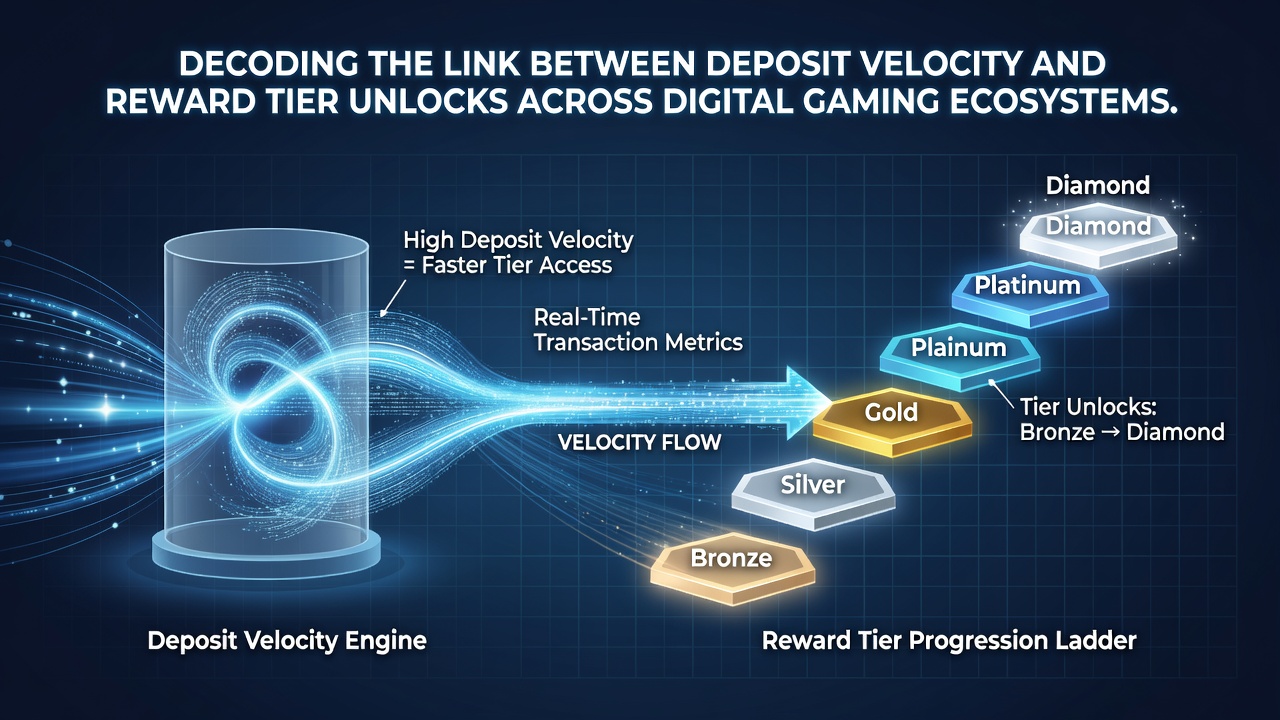
Examples from platform case analyses reveal that integration with digital wallets often amplifies these effects, as instant funding options reduce friction and allow velocity to climb naturally during peak engagement periods, whereas traditional methods introduce delays that slow tier progression. Those who have reviewed app telemetry across regions report similar structures in both North American and European markets, where October 2026 regulatory filings highlighted the need for transparent velocity calculations to maintain fair tier distribution.
Cross-Platform Variations and Data Patterns
Different ecosystems apply velocity weighting uniquely, with some emphasizing daily deposit streaks while others average across monthly cycles, and this variation produces distinct unlock timelines even when base spending remains constant. Figures from the International Association of Gaming Regulators illustrate how aggregated statistics across jurisdictions demonstrate stronger correlations in mobile-first environments, where push notifications tied to recent deposits further boost velocity and subsequent tier access.
Yet patterns also show plateaus, as users who hit velocity ceilings without corresponding play volume may stall at certain tiers until additional engagement metrics align, and this interplay underscores the multi-factor nature of reward advancement rather than velocity alone driving all changes. Observers have documented instances where seasonal events in late 2026 coincided with temporary velocity spikes that unlocked higher tiers for broader user segments.
Conclusion
Overall, the documented links between deposit velocity and reward tier unlocks rest on platform-specific algorithms that combine speed, volume, and activity to determine progression, and continued monitoring through regulatory and academic channels provides ongoing clarity into these dynamics across digital gaming networks.