Mapping Reward Layer Interactions With Transaction Pathways in Portable Reel and Table Ecosystems
Finley Jenkins · Oct 3, 2026
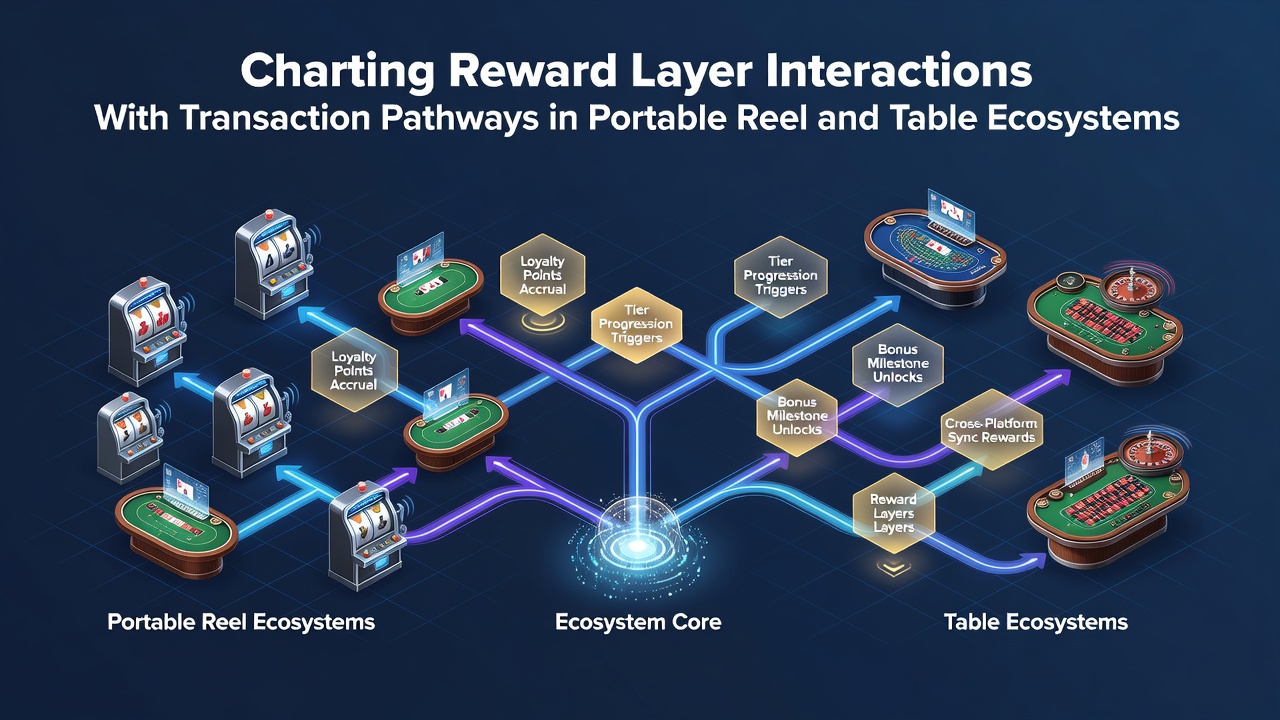
Mapping Reward Layer Interactions With Transaction Pathways in Portable Reel and Table Ecosystems
Analysts tracking mobile gaming platforms observe that reward layers operate through distinct tiers which respond directly to transaction activity in both reel and table environments, and these interactions shape how users progress through incentive structures while completing deposits, wagers, and withdrawals on portable devices. Research indicates that transaction pathways function as the underlying routes which carry funds and data between player accounts and game servers, whereas reward layers sit above them as modular add-ons that adjust based on volume, frequency, and game type.
Core Components of Reward Layers in Mobile Settings
Experts have documented that reward layers typically consist of base loyalty points, tiered multipliers, and conditional bonuses which activate when transaction thresholds are met, yet the activation sequence varies between reel-based slots and table games because slot sessions generate rapid micro-transactions while table games produce fewer but larger exchanges. Data from industry reports shows that reel ecosystems often route small, repeated bets through automated pathways that feed directly into point accumulation engines, and table ecosystems route larger buy-ins through verification steps that delay but also amplify subsequent reward credits.
Studies conducted across multiple platforms reveal that these layers interact with transaction pathways at specific checkpoints, such as deposit confirmation or bet settlement, and observers note that portable environments add device-level variables including session length and network stability which can alter the timing of reward distribution without changing the underlying rules.
Transaction Pathways and Their Role in Reward Progression
Transaction pathways in portable reel and table ecosystems encompass deposit rails, in-game betting ledgers, and withdrawal queues, and researchers have mapped how each segment connects to reward calculations at different intervals. According to figures released by the American Gaming Association, mobile transaction volumes in reel categories grew steadily through 2025 and into October 2026, with parallel increases in layered reward redemptions that correlate to the same activity spikes.
Those who monitor these systems find that reel pathways often prioritize speed and volume, allowing reward layers to update after every spin sequence, whereas table pathways incorporate hand-resolution pauses which create natural breakpoints for bonus application and tier advancement. This distinction matters because operators adjust multiplier rates and unlock conditions accordingly, and evidence from platform audits confirms that mismatched timing between pathways and layers leads to delayed credit postings that users notice during extended sessions.
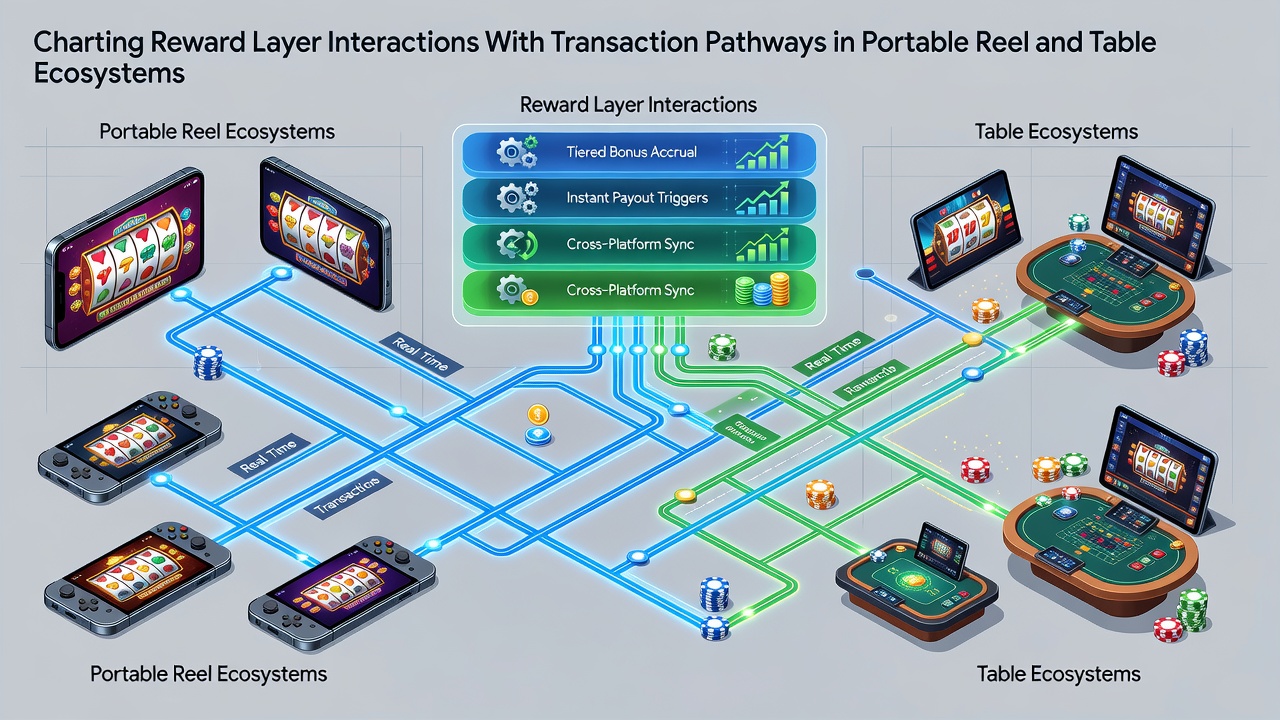
Integration Patterns Across Reel and Table Formats
Platform developers structure reward layers so that transaction data from both formats feeds into shared databases while maintaining separate calculation rules for each category, and this dual-track approach allows cross-promotion opportunities such as table game milestones unlocking slot multipliers. One study published through the University of Nevada, Las Vegas gaming research series demonstrated that integrated pathways produce higher overall engagement metrics when reward layers account for the different transaction rhythms inherent to reels versus tables.
Regulatory filings from the Nevada Gaming Control Board indicate that operators must log these interactions at the transaction level to ensure compliance, and the logs reveal consistent patterns where reward layer adjustments follow completed payment cycles rather than initiating them. People familiar with backend architecture note that portable ecosystems rely on real-time APIs to push updates across layers, reducing latency between a deposit clearing and the corresponding tier credit appearing in the user interface.
October 2026 Developments in Pathway and Layer Synchronization
Reports compiled during October 2026 highlight incremental upgrades to synchronization protocols that link reward layers more tightly to transaction pathways, particularly in applications supporting both reel and table content on the same account. These updates focus on handling concurrent sessions where a user switches between formats, and the resulting data streams allow reward engines to recalculate eligibility without resetting progress mid-transition.
Industry associations tracking adoption rates record that platforms implementing tighter integration saw measurable shifts in how rewards distribute across user segments, with table-heavy players experiencing faster tier movement when their larger transactions trigger layered bonuses that also apply to subsequent reel play. The patterns remain consistent across regions that maintain transparent reporting requirements, providing clear datasets for continued analysis.
Conclusion
Overall, the documented interactions between reward layers and transaction pathways demonstrate that mobile reel and table ecosystems depend on precise timing and category-specific rules to maintain functional incentive systems, and ongoing refinements continue to align these elements more closely as transaction volumes expand. Observers tracking October 2026 metrics note sustained interest in how these mappings evolve with new device capabilities and payment options, while regulatory and academic sources supply the data needed to verify that progression mechanics operate as intended across formats.